- Join NACWA
- Board of Directors
- Committees
- Member Agencies & Affiliates
- Staff Directory
- Awards Programs
- Member Spotlight
- Association Governance
Member Spotlight
One Drop at a Time: How MMSD is Using Green Infrastructure to Transform the Milwaukee Region
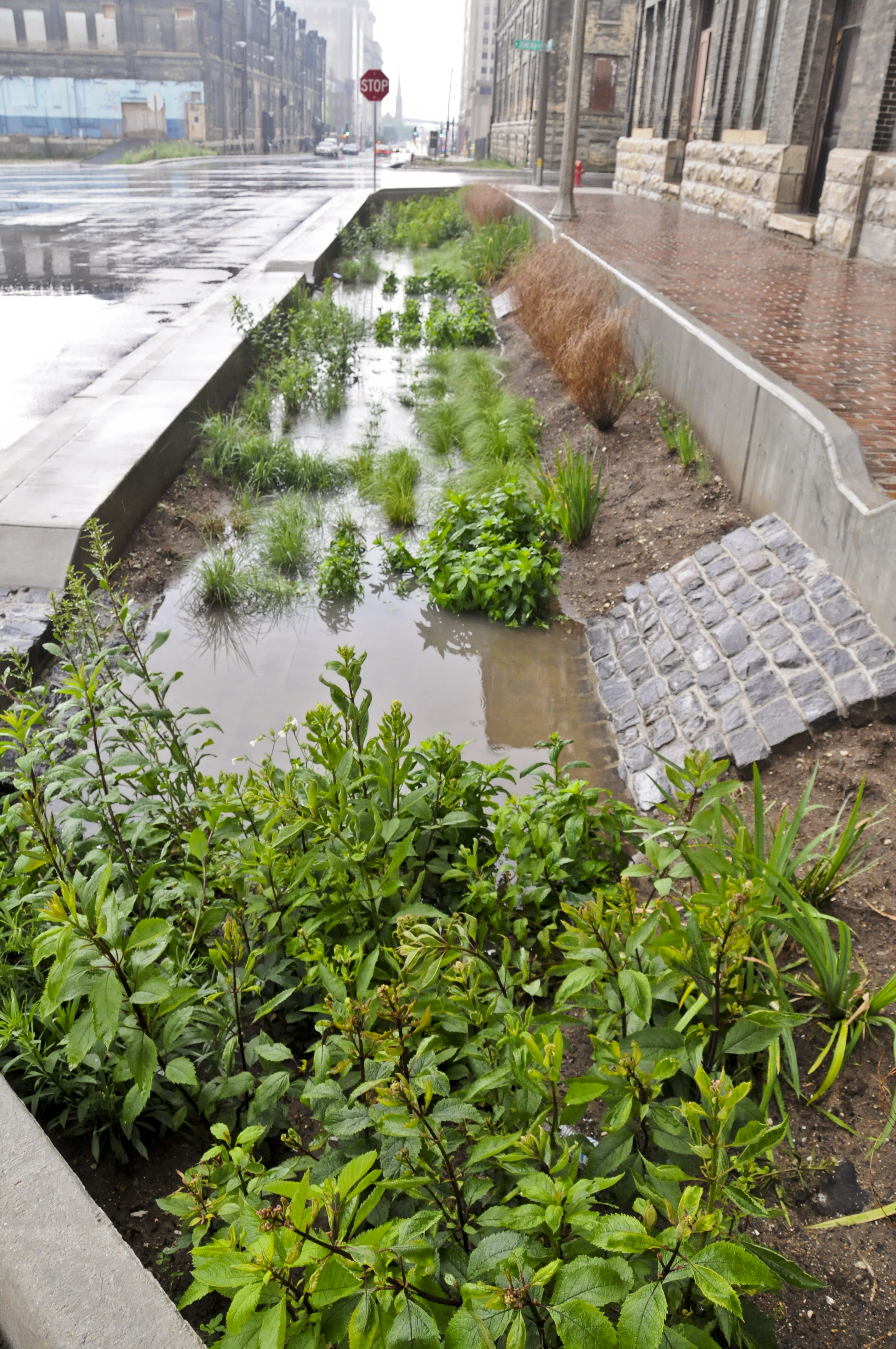
The Milwaukee Metropolitan Sewerage District (MMSD) launched its Green Infrastructure (GI) Program in 2002, and at the time it was met with considerable skepticism. MMSD recognized early on that managing water where it falls could help keep stormwater out of the region’s sewer system and prevent pollution from being carried into local rivers. This natural approach to stormwater management also offered an opportunity to revitalize densely populated areas and reinforced the idea that everyone in the region has a role to play in reducing water pollution. Green infrastructure provided the community with the tools to do just that. What was not fully recognized at the outset were the additional benefits GI would later prove to have in helping mitigate climate change.
The GI effort began modestly, rolling out one rain barrel at a time. As the program grew, it attracted partners—people who saw GI as more than a stormwater management solution. These partners helped bring neighborhoods together, and in turn, neighborhoods encouraged their municipalities to embrace green infrastructure. Step by step, GI moved forward.
Rain gardens followed, along with downspout disconnections. Their visibility not only helped manage stormwater, but also beautified neighborhoods and strengthened residents’ connection to the role they can play in protecting local waterways. Rain gardens paved the way for naturally vegetated bioswales—similar in concept, but with additional engineering—adding both beauty and habitat. Over time, porous pavement, green roofs, trees, and depaving became part of the region’s expanding green infrastructure toolkit.
Today, this suite of natural improvements is being used to transform schoolyards across the region. Asphalt is being removed, natural playgrounds are being created, and children are learning about the Great Lakes and how they can help protect them.
Across the region, bioswales can now be found along roadways, rain gardens near parking lots, and porous pavement in parking lanes and lots—each one helping move the region closer to cleaner water.
MMSD set an ambitious goal for the GI Program: capturing the first half-inch of rainfall across its service area. For the Milwaukee region, that equals approximately 740 million gallons of water. Significant progress has been made over the years, and during Earth Week 2023, the Milwaukee region reached an important milestone. The region can now proudly state that more than 100 million gallons of rainwater are being captured through green infrastructure each time it rains. While this is a major achievement, the work continues.
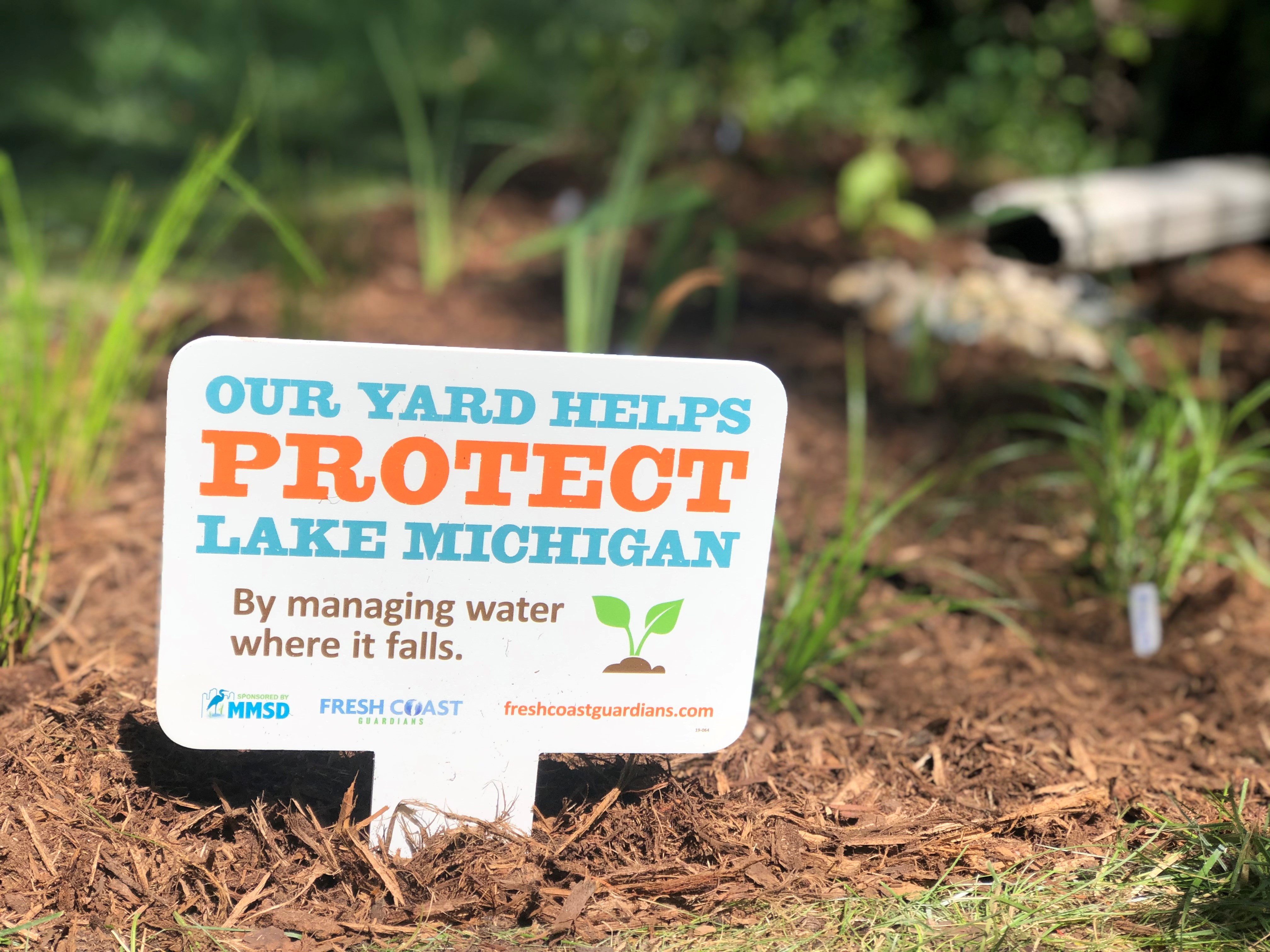
MMSD extends its sincere thanks to the garden clubs, neighborhood associations, municipal engineers, elected officials, property owners, and all others who are contributing to and embracing this important effort.
NACWA awarded the Milwaukee Metropolitan Sewerage District a 2025 National Environmental Achievement Award in the Operations & Environmental Achievement Performance category for its innovative and effective efforts. Congratulations to everyone involved!